
Designed for use beyond a single project.
Construction consumes vast quantities of materials and generates significant waste. Equipment that is designed to last, be repaired and be reused across many projects offers a practical alternative to single-use or disposable approaches. G-DECK’s modular platform systems are engineered with this lifecycle perspective in mind — durable metal components, individual repairability, repeated multi-project use and recyclable materials at end-of-life.
Sustainability in construction access equipment is not about a single attribute. It is about how a product is designed, how long it lasts, how it is maintained, how it is transported and what happens to it when it eventually reaches the end of its service life. This page explains how G-DECK approaches each of these considerations.
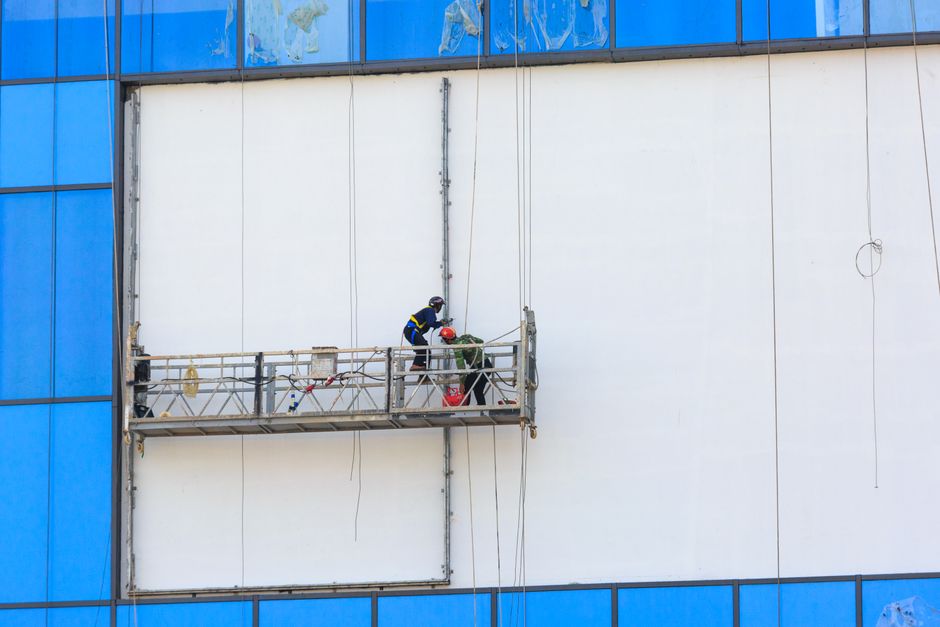
Product durability.
Durability is the foundation of sustainable equipment design. A product that lasts longer needs to be replaced less frequently, which means fewer resources are consumed in manufacturing, fewer components end up as waste, and the environmental impact per use is spread over a longer period.
G-DECK components are manufactured from metal, chosen for its strength, structural performance and resistance to the demands of construction environments. Metal components can withstand repeated assembly, use, dismantling and transport without the degradation that affects materials like timber boards, which can split, warp and weaken over time and with weather exposure.
This material choice means that G-DECK equipment is designed to remain in service across many projects and many years. Durability is not just a performance benefit — it is a sustainability decision that reduces the frequency of replacement and the associated material, energy and waste implications.
Repairability.
Durability alone is not enough. Even the most robust equipment will eventually experience wear, damage or component failure under the conditions of a construction jobsite. What matters for sustainability is whether damaged parts can be replaced individually or whether the entire product must be discarded.
G-DECK’s modular design is inherently repairable. Because the system is made up of discrete, interchangeable components, a damaged deck panel, support leg, bracket or guardrail element can be identified and replaced on its own — without requiring the disposal of the entire platform system. This is fundamentally different from monolithic or integrated designs where localised damage can render the whole unit unusable.
This repairability extends the useful life of the system and reduces waste. It also means that contractors can maintain their equipment incrementally, replacing parts as needed rather than investing in complete system replacements. Over the lifecycle of the equipment, this approach conserves materials and reduces the environmental impact associated with manufacturing and disposing of complete systems.
Repeated use.
The sustainability benefits of durable, repairable equipment are realised through repeated use. A G-DECK system that serves on one project, is dismantled, transported, reassembled and serves again on the next project delivers value across many applications — spreading the material and manufacturing footprint over a large number of uses.
G-DECK’s modular design supports this model of repeated use. Components are designed to be assembled, used, dismantled and transported efficiently, making it practical to move equipment between projects and sites. The same components can be reconfigured for different applications — a platform on one project, a trestle on another — maximising the utility of each component across diverse construction scenarios.
This contrasts with approaches where access equipment is built for a single use or a single project and then dismantled into components that may not be efficiently reusable. By designing for repeated, multi-project use, G-DECK supports a model of resource efficiency that aligns with broader construction industry goals around reducing waste and maximising the value of material inputs.
The extent of these benefits depends on how frequently the equipment is used, how well it is maintained, and how effectively it is transported and stored between projects. Contractors who invest in G-DECK equipment and manage it as a long-term asset are best positioned to realise the sustainability advantages of repeated use.
Material considerations.
The materials used in construction equipment have implications for both performance and sustainability. G-DECK’s choice of metal as the primary material reflects consideration of both factors.
Metal offers a combination of strength, durability and recyclability that makes it well suited to repeated-use construction equipment. It can withstand the physical demands of construction environments — loading, impacts, weather exposure and transport — while retaining its structural properties over many use cycles. Unlike timber, metal does not absorb moisture, warp or decay, which means components maintain their performance characteristics over time.
From a sustainability perspective, metal is also one of the most recyclable materials available. It can be recycled repeatedly without loss of properties, and established recycling infrastructure exists in most markets. This means that when G-DECK components eventually reach the end of their useful life, the material can be recovered and returned to the production cycle rather than being sent to landfill.
G-DECK also uses a limited number of core component types across its systems. This design approach reduces material variety and complexity, which can simplify both maintenance and end-of-life material recovery.
Recyclability.
At end-of-life, G-DECK components are recyclable through standard metal recycling processes. Metal recycling is well established in the United States and internationally, with collection and processing infrastructure widely available. This means that the material in G-DECK components can be recovered and returned to use, rather than becoming permanent waste.
The recyclability of metal is a significant sustainability advantage. Unlike some materials that degrade in quality through each recycling cycle, metal can be recycled repeatedly without loss of structural properties. This supports a circular approach to material use, where the metal from decommissioned G-DECK components can contribute to new products and applications.
Contractors looking to manage end-of-life G-DECK components responsibly can work with standard metal recycling channels. Contact our team for guidance on recycling options if you are decommissioning G-DECK equipment.
Lifecycle thinking.
Sustainability is best assessed across the entire lifecycle of a product — from material sourcing and manufacturing, through use and maintenance, to end-of-life and material recovery. G-DECK is designed with this lifecycle perspective in mind.
G-DECK components are manufactured from durable metal using a limited number of core component types. The modular design supports efficient production and standardised quality across the system.
Durable, repairable components are designed for repeated assembly, use and dismantling across multiple projects. Individual parts can be replaced as needed, extending the system’s useful life and reducing waste.
The same components can be reconfigured for different applications and moved between projects, maximising the utility and value of each component over time.
Metal components are recyclable through standard recycling processes, supporting material recovery and circular use rather than disposal.
This lifecycle approach aligns with principles reflected in the United Nations Sustainable Development Goal 9 — which addresses industry, innovation and infrastructure, and emphasises building resilient and sustainable infrastructure through resource-efficient approaches. G-DECK’s focus on durable, repairable and recyclable equipment reflects these principles in practice. However, G-DECK is not UN-endorsed or UN-certified, and this reference should not be interpreted as an endorsement by the United Nations.
For contractors and organisations with sustainability objectives, G-DECK offers a product approach that supports responsible resource use through longevity, repairability and material recovery. The actual sustainability outcomes depend on how the equipment is used, maintained and managed throughout its lifecycle.
Frequently Asked Questions
Are G-DECK components recyclable?
G-DECK components are manufactured from metal, which is a widely recyclable material. At the end of their useful life, metal components can be recycled through standard metal recycling processes. This supports responsible material use at end-of-life.
How long do G-DECK components last?
G-DECK components are designed for durability and repeated use across multiple projects. The actual lifespan depends on frequency of use, maintenance practices, storage conditions and jobsite conditions. With proper care and timely replacement of damaged parts, the system is designed to provide service over an extended period.
Can individual components be replaced, or do I need a whole new system?
Individual components can be replaced. G-DECK's modular design means that damaged or worn parts can be swapped out individually without needing to replace the entire system. This extends the useful life of the equipment and reduces waste.
How does G-DECK align with sustainability goals?
G-DECK supports several sustainability principles through durable design, repairability, repeated use across projects and recyclable metal construction. These characteristics align with broader construction industry goals around resource efficiency and waste reduction, including principles reflected in UN Sustainable Development Goal 9 (Industry, Innovation and Infrastructure). G-DECK is not UN-endorsed or UN-certified.
Explore G-DECK Systems
See how G-DECK modular platforms combine durable, repairable and recyclable components with practical construction access solutions.
Explore G-DECK Systems