
SCAFFOLDING CONTRACTORS

More flexibility for scaffolding professionals.

G-DECK Dual is a hybrid load deck system designed for scaffolding specialists who already work with scaffold equipment. By combining G-DECK modular decking with existing scaffold components, Dual offers scaffolding contractors a more flexible approach to configuring working platforms on site.

Enquire About Dual Explore G-DECK Dual
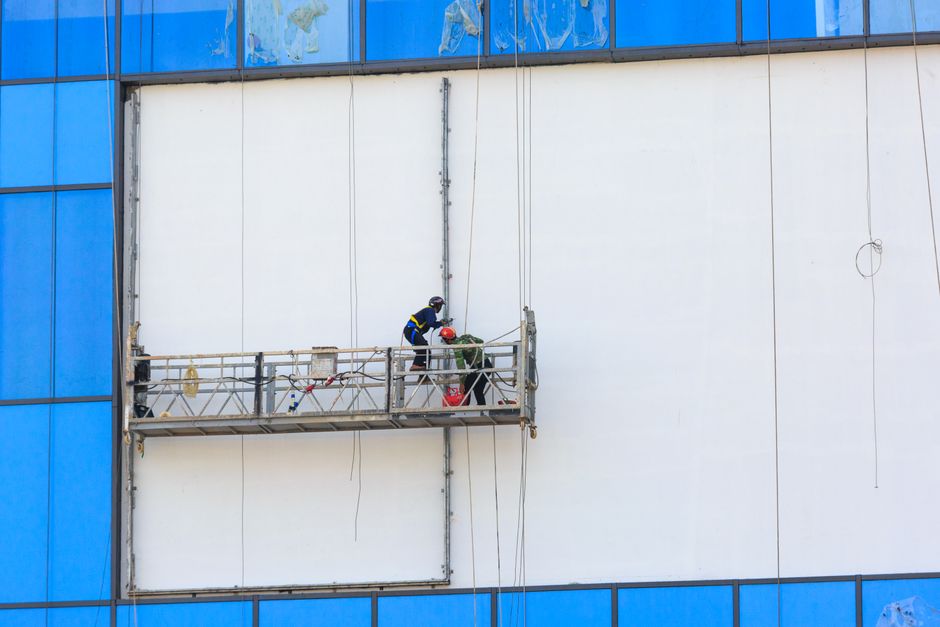
Two workers on scaffolding repairing a building facade

The opportunity

Scaffolding contractors build access structures every day, and many have well-established processes, equipment and crews for doing so. What G-DECK Dual offers is not a replacement for that expertise, but an additional option within it: modular platform decking that can sit alongside traditional scaffold components to give contractors more ways to configure a working platform.

For scaffolding businesses, the appeal of a hybrid approach is flexibility. Rather than committing to a single method for every job, contractors can draw on modular decking where it suits the configuration and rely on familiar scaffold components where they are the better fit. The result is a broader toolkit for matching access arrangements to the specific demands of each project.

Why scaffolding contractors are considering hybrid systems

  • Desire for more configuration options without abandoning existing scaffold equipment
  • Need to adapt access arrangements quickly as project requirements change
  • Interest in modular decking that can integrate with established scaffold setups
  • Pressure to manage assembly and reconfiguration time on competitive projects
  • Opportunity to offer clients a broader range of access approaches

The hybrid approach

G-DECK Dual is built around the idea that modular decking and traditional scaffolding can work together rather than compete. The system combines G-DECK's purpose-designed metal decking components with the ability to integrate alongside existing scaffold arrangements, so that a working platform can draw on both approaches within a single access structure.

This means scaffolding contractors do not have to choose between their existing equipment and a modular system. Dual is designed to bring the two together, allowing the modular decking to be used where its configuration and assembly characteristics are advantageous, while scaffold components continue to provide the structural framework contractors are familiar with.

How the hybrid approach works in practice

01

Existing scaffold integration

Dual is designed to sit alongside scaffold components already in use, rather than requiring a wholly separate access structure.

02

Modular decking

G-DECK's purpose-designed metal decking components provide the working platform surface within the hybrid arrangement.

03

Flexible configuration

Contractors can determine where modular decking and traditional scaffold components each best serve the access requirements of the job.

04

Familiar framework

The scaffold structure that contractors already know remains part of the arrangement, supporting continuity with established practices.

Close-up of a metal scaffolding structure with integrated stairs and platforms

Potential advantages

For scaffolding contractors, a hybrid load deck system offers several potential advantages. These are possibilities based on the design intent of the system rather than guaranteed outcomes, and actual performance will depend on the specific configuration, site conditions and how the system is deployed.

Configuration flexibility

By combining modular decking with scaffold components, contractors gain more options for arranging a working platform. This can be useful where a single approach does not neatly fit the access requirements of a particular job.

Equipment leverage

Dual is designed to work alongside existing scaffold equipment, so contractors can add modular decking capabilities without retiring the scaffold inventory they have already invested in.

Assembly characteristics

G-DECK's modular decking uses purpose-designed components with repeatable assembly procedures. In suitable configurations, this may support efficient deck installation and reconfiguration compared with building a platform entirely from individual boards.

Broader service offering

For scaffolding businesses, the ability to offer both traditional scaffold and hybrid modular decking arrangements can broaden the range of access solutions available to clients.

These potential advantages should be weighed against the specific requirements of each project. Suitability must be assessed per application, and contractors should verify any configuration against manufacturer documentation and applicable OSHA requirements.

Explore G-DECK Dual Explore G-DECK Standard

Technical considerations

As with any access system, a hybrid G-DECK Dual configuration must be planned and assessed against the technical and safety requirements that apply to the specific project. The following considerations are relevant to scaffolding contractors evaluating Dual for their work.

Loading and configuration

Each hybrid configuration should be evaluated for the loading it will be expected to carry. Stated G-DECK loading figures should not be treated as automatically applicable US safe working loads; every arrangement must be verified against manufacturer documentation and the intended use on site.

Integration with existing scaffold

Where Dual is used alongside existing scaffold components, the interface between the modular decking and the scaffold structure should be planned in accordance with manufacturer guidance. Compatibility and connection details must be confirmed for the specific components in use.

Safety and compliance

  • OSHA scaffold standards: OSHA 29 CFR 1926 Subpart L (Scaffolds) addresses platform loading, guardrails, access and inspection requirements applicable to hybrid scaffold configurations.
  • Fall protection: OSHA 29 CFR 1926 Subpart M (Fall Protection) contains requirements that may apply to working-height configurations.
  • Training: Personnel assembling and using the system should receive training on safe installation, manufacturer procedures and applicable OSHA requirements. Employers are responsible for scaffold training under OSHA 29 CFR 1926 Subpart L.
  • Site-specific assessment: Each hybrid configuration should be assessed against ground conditions, loading, working heights, the scaffold components in use and the specific tasks being performed.

Important note on US experience

G-DECK Dual is designed as a hybrid system for scaffolding professionals, but we do not claim proven US experience without supporting references. Scaffolding contractors should evaluate Dual against their specific requirements, existing equipment and applicable OSHA standards, and discuss their intended application with our team before deployment.

Enquire About Dual Explore Safety & Engineering →

Frequently Asked Questions

What is G-DECK Dual and how does it relate to scaffolding?

G-DECK Dual is a hybrid load deck system that combines G-DECK modular decking with the ability to integrate alongside existing scaffolding components. It is designed for scaffolding contractors and teams who already work with scaffold equipment and want to add modular platform decking to their access arrangements.

Do I need to replace my existing scaffolding to use G-DECK Dual?

No. The hybrid approach is intended to work alongside existing scaffold components rather than replace them. Dual brings modular decking into an established scaffold setup, which may offer additional flexibility in how working platforms are configured.

What potential advantages does a hybrid approach offer scaffolding contractors?

A hybrid system can combine the familiarity of traditional scaffold with the modular decking approach of G-DECK. This may support faster deck installation and reconfiguration in certain configurations, though actual performance depends on the specific setup and should be assessed per project.

Is G-DECK Dual proven for US scaffolding contractors?

G-DECK Dual is designed as a hybrid system for scaffolding professionals, but suitability for any specific US application must be assessed per project. We do not claim proven US experience without supporting references. Contractors should evaluate Dual against their specific requirements and applicable OSHA standards.

What safety and compliance considerations apply to hybrid scaffold systems?

Hybrid configurations should be evaluated against OSHA 29 CFR 1926 Subpart L (Scaffolds) and Subpart M (Fall Protection), manufacturer instructions and site-specific safety plans. Assembly must follow manufacturer guidance and be carried out by appropriately trained personnel. Employers are responsible for scaffold training under OSHA 29 CFR 1926 Subpart L.

Enquire About Dual

If you are a scaffolding contractor interested in a hybrid load deck approach, our team can help you evaluate G-DECK Dual against your existing equipment and project requirements.

Enquire About Dual